New technologies are constantly changing the way we create, design and bring our ideas to life. Artificial intelligence is becoming an increasingly important part of manufacturing processes, opening up new possibilities and allowing even the most unexpected ideas to become reality. It is particularly interesting to see how artificial intelligence and additive manufacturing complement each other: for manufacturers, they offer opportunities to improve efficiency, optimise production and explore new solutions, while giving customers an easier way to create digital 3D models without requiring specialised knowledge.
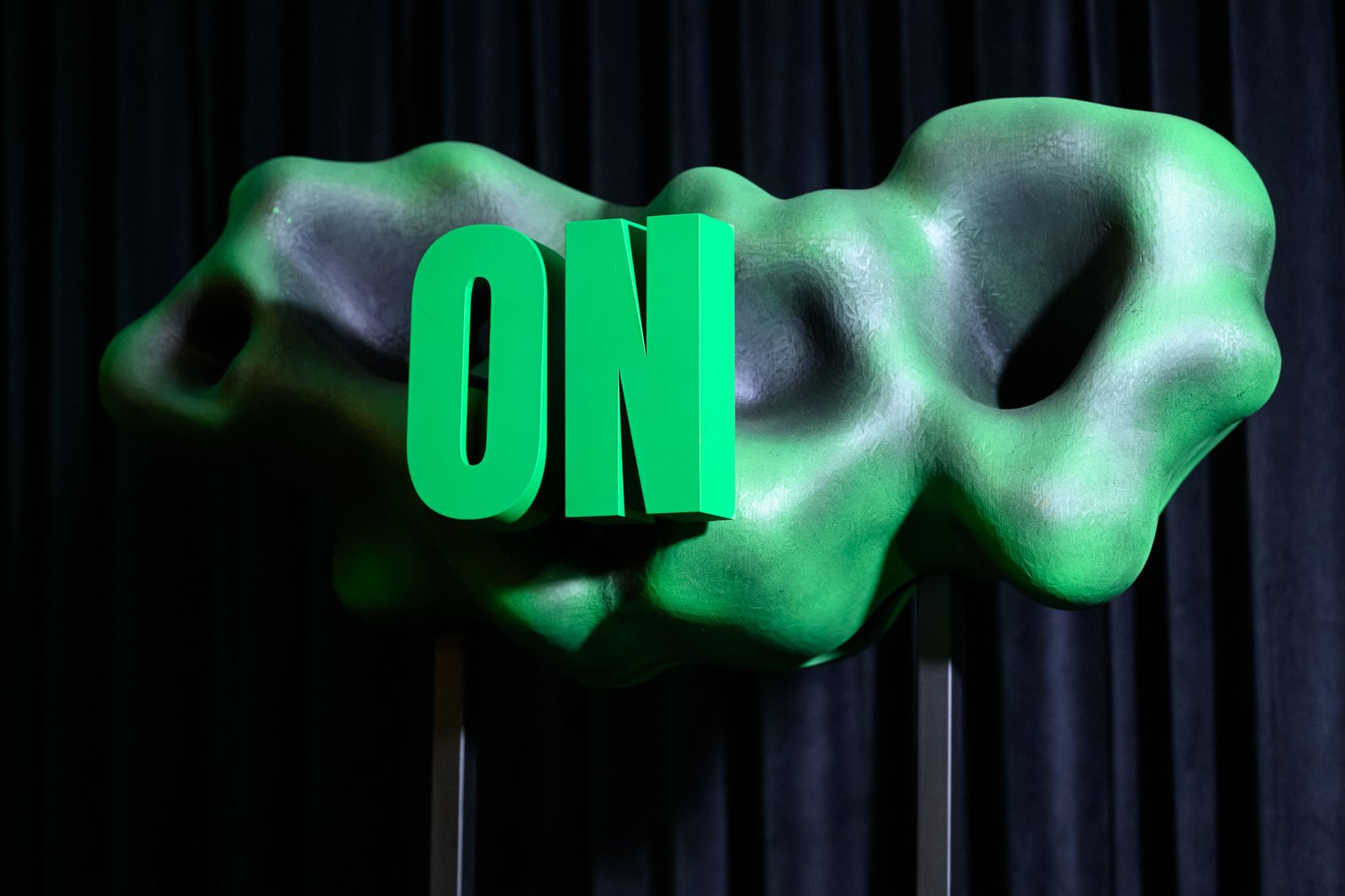
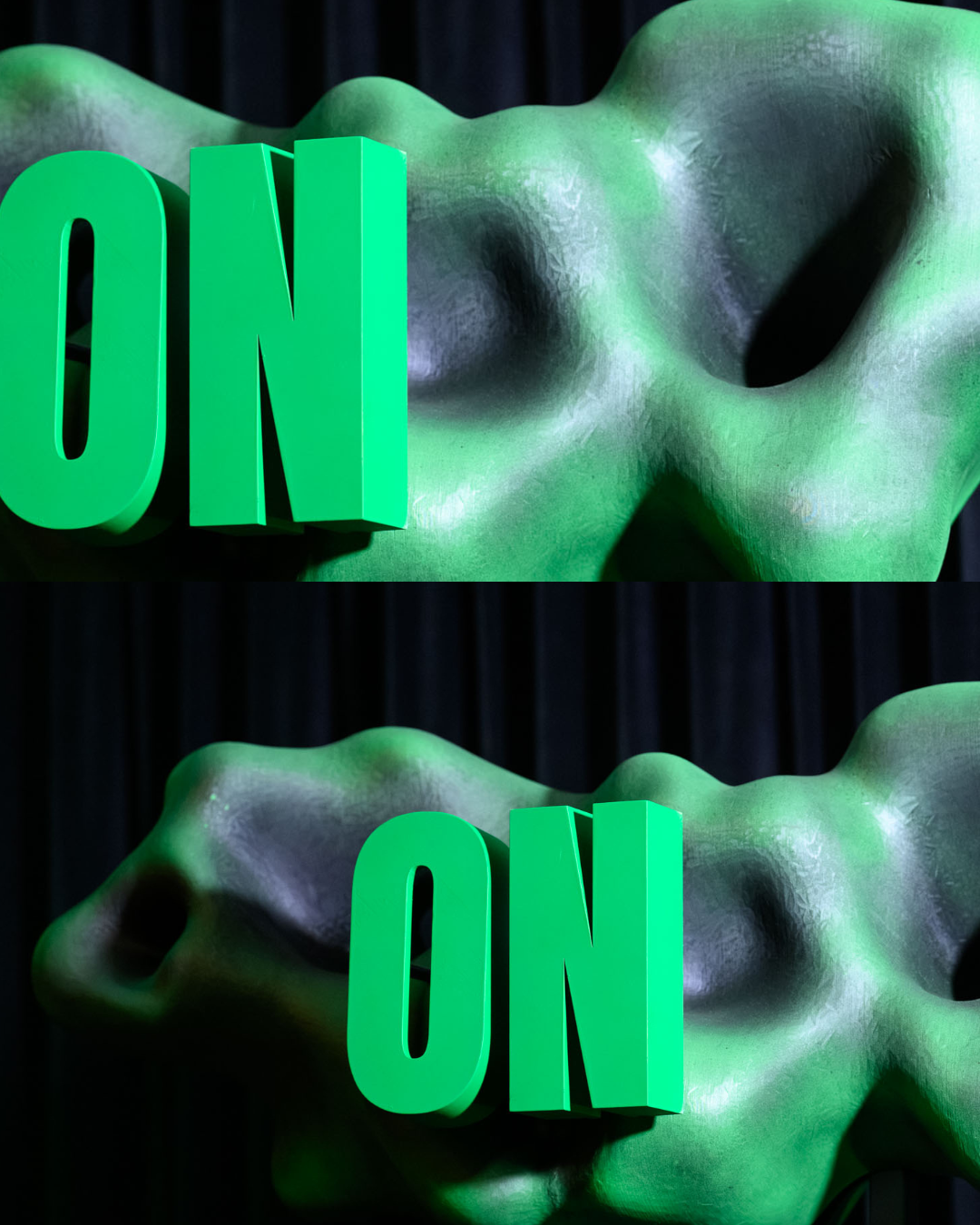
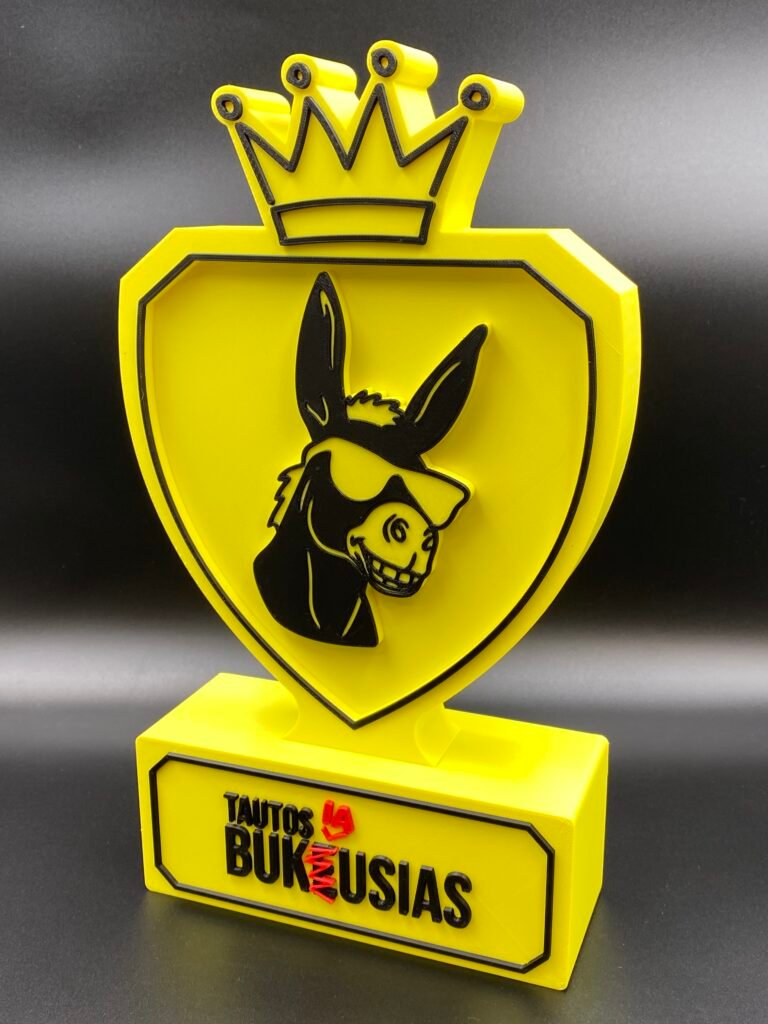
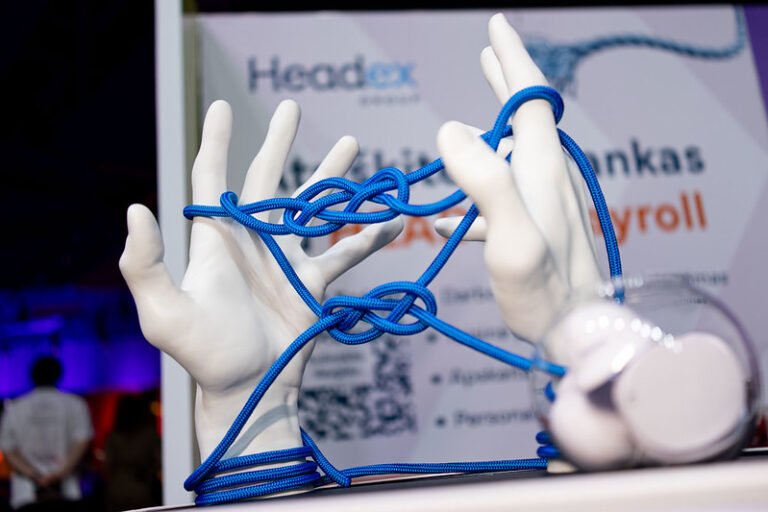
This time, we would like to share a project we completed in collaboration with the Lithuanian Skeptics Society for its “Skepticon” event. The client provided us with a 3D model created using an artificial intelligence tool, and we turned it into a physical prop weighing an impressive 11 kg.
How did we bring this project to life?
The starting point – 3D model
The client shared a 3D model of the prop created using an artificial intelligence tool. It is a great example of how digital technologies can serve as the starting point for creating real, physical objects. Our task was to turn this digital concept into a tangible 3D-printed product.
3D printing technology and material selection
For this project, we chose FDM (Fused Deposition Modelling) technology and PETG (glycol-modified polyethylene terephthalate) filament for the print. Why this material? The client planned to sand, finish and paint the prop after printing, so choosing the right material was particularly important. Compared to PLA, PETG is less prone to softening or becoming gummy due to the heat generated by friction during sanding. This makes it easier to prepare the surface for further finishing and painting.
Manufacturing process
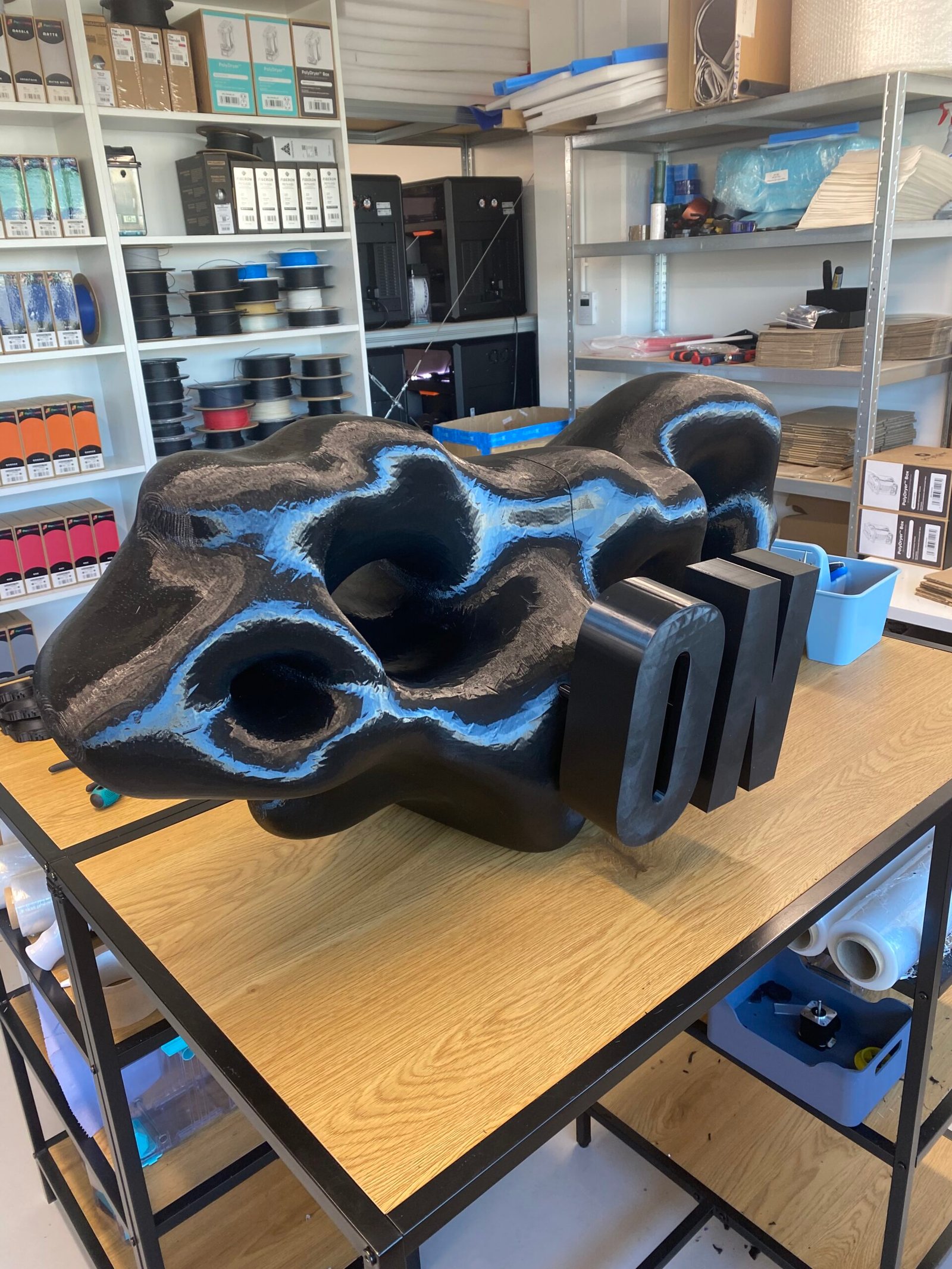
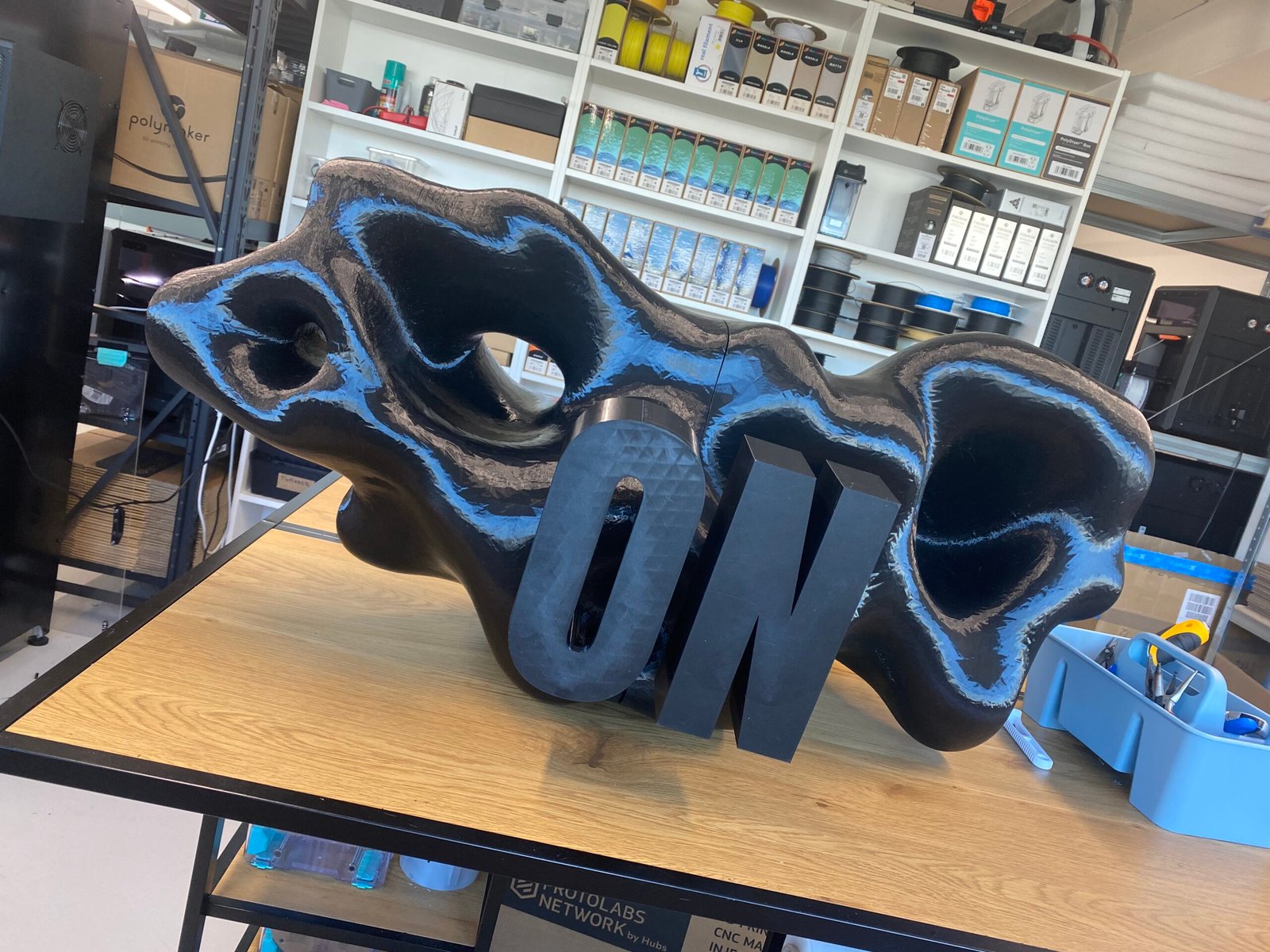
Due to the size of the prop, we printed it in two separate parts, which were then glued together to create one complete object. This approach makes it possible to manufacture larger items, even when their dimensions exceed the 3D printer’s build volume.
Once printing was complete and the two parts had been joined, our work was done. The client took care of the remaining steps, including surface finishing and painting.
Equipment used
We chose the RatRig V-Core 4.1 3D printer for this project. It is a large-format FDM printer featuring high printing speeds and precision. These characteristics are particularly important when producing larger objects and ensuring a consistent, high-quality printing process.
Project timeline
You can see the finished result in the photos below.
What is the Lithuanian Skeptics Society? The Lithuanian Skeptics Society is a public organisation that promotes critical thinking, a science-based worldview and the ability to distinguish facts from myths, manipulation and misinformation. Its areas of interest include astrology, homeopathy, conspiracy theories and pseudoscience. Its core message is simple: do not accept information blindly – ask questions, look for evidence and think independently.
And what is “Skepticon”? It is a conference organised by the Lithuanian Skeptics Society, bringing together people interested in science, critical thinking and the analysis of various social phenomena. During the event, experts and speakers share their knowledge, engage in discussions and encourage audiences to look at familiar things from a different perspective.