Insights shared by Šarūnas Paulauskas, Velox 3D engineer
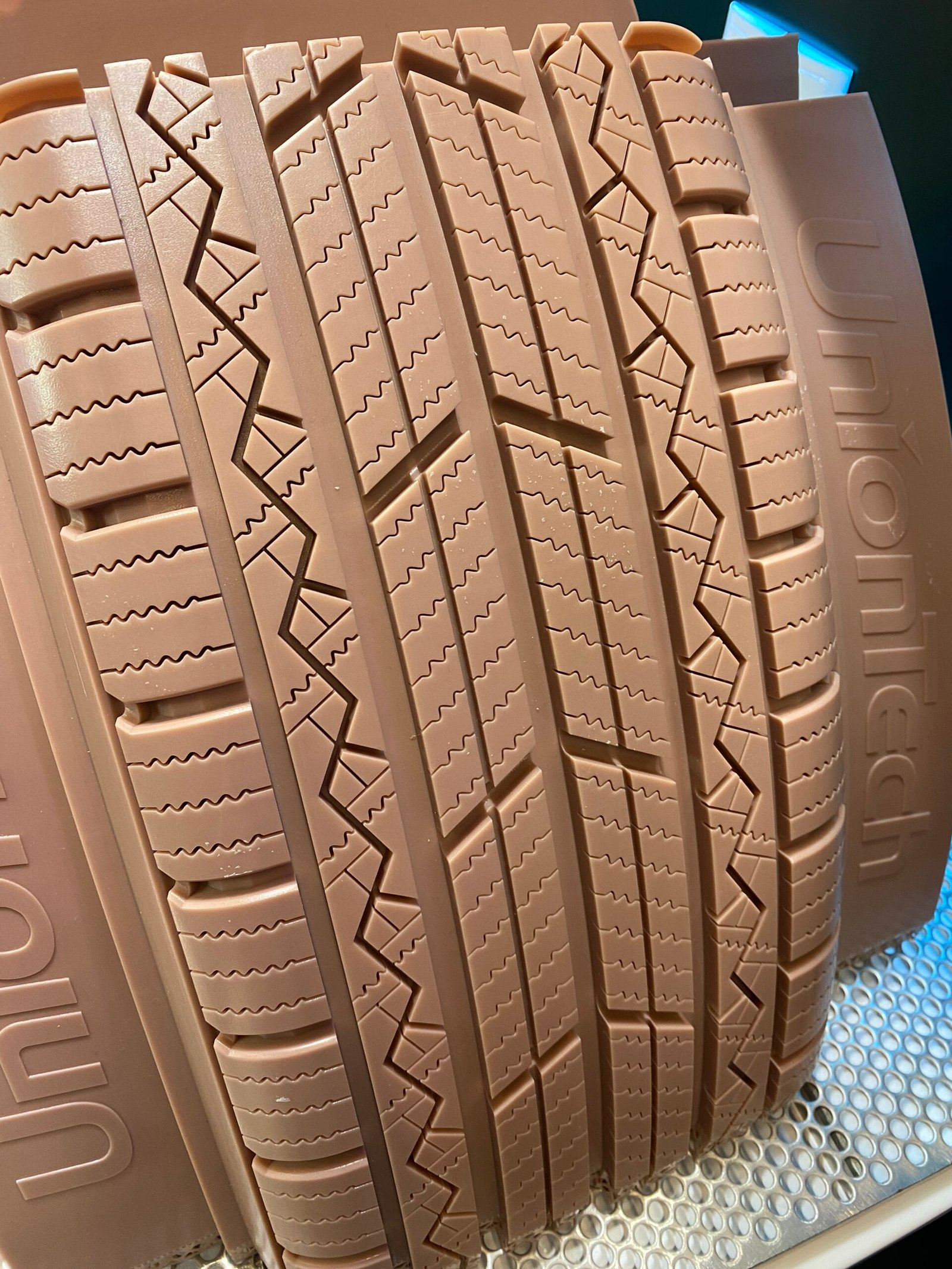
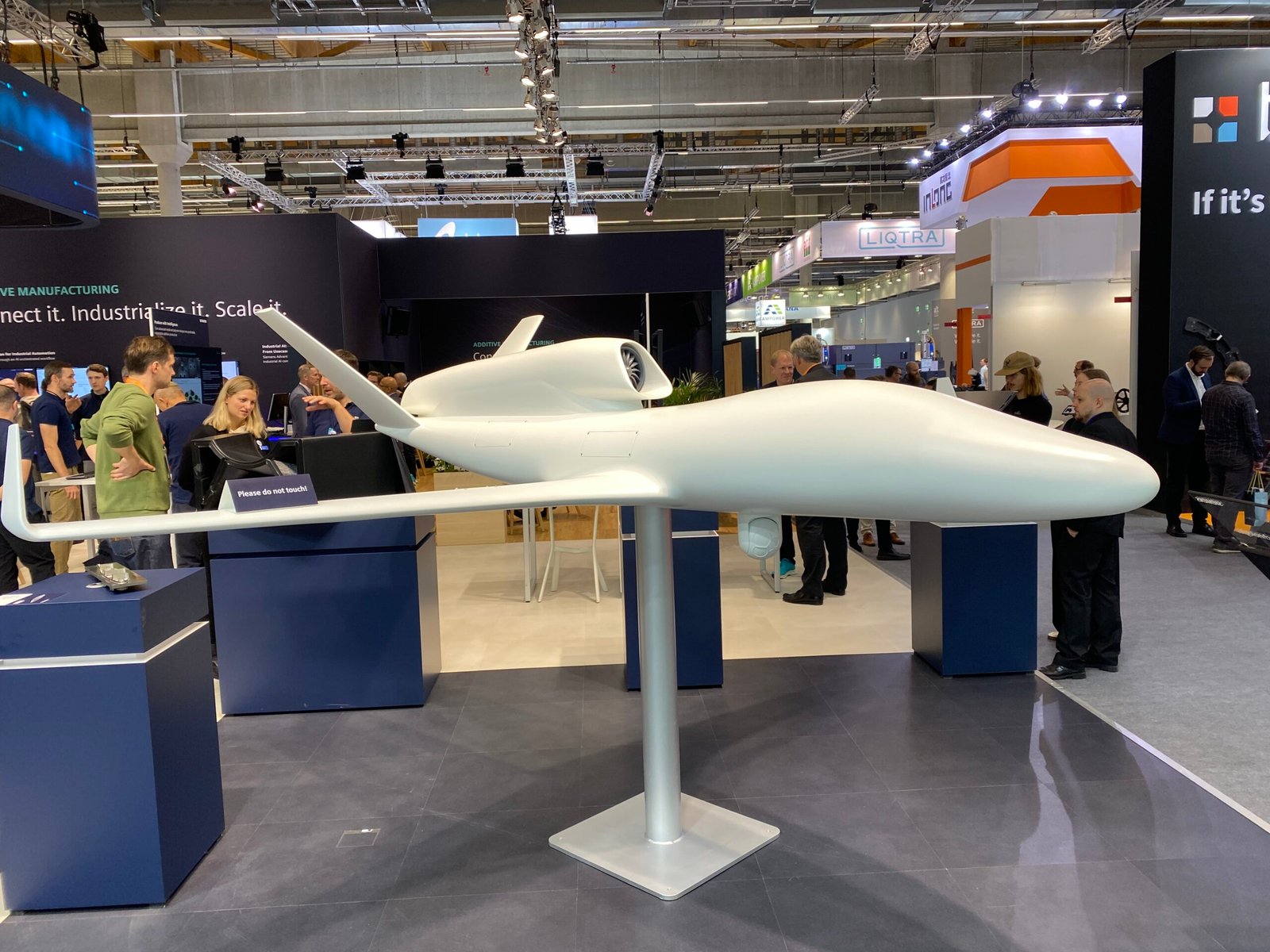
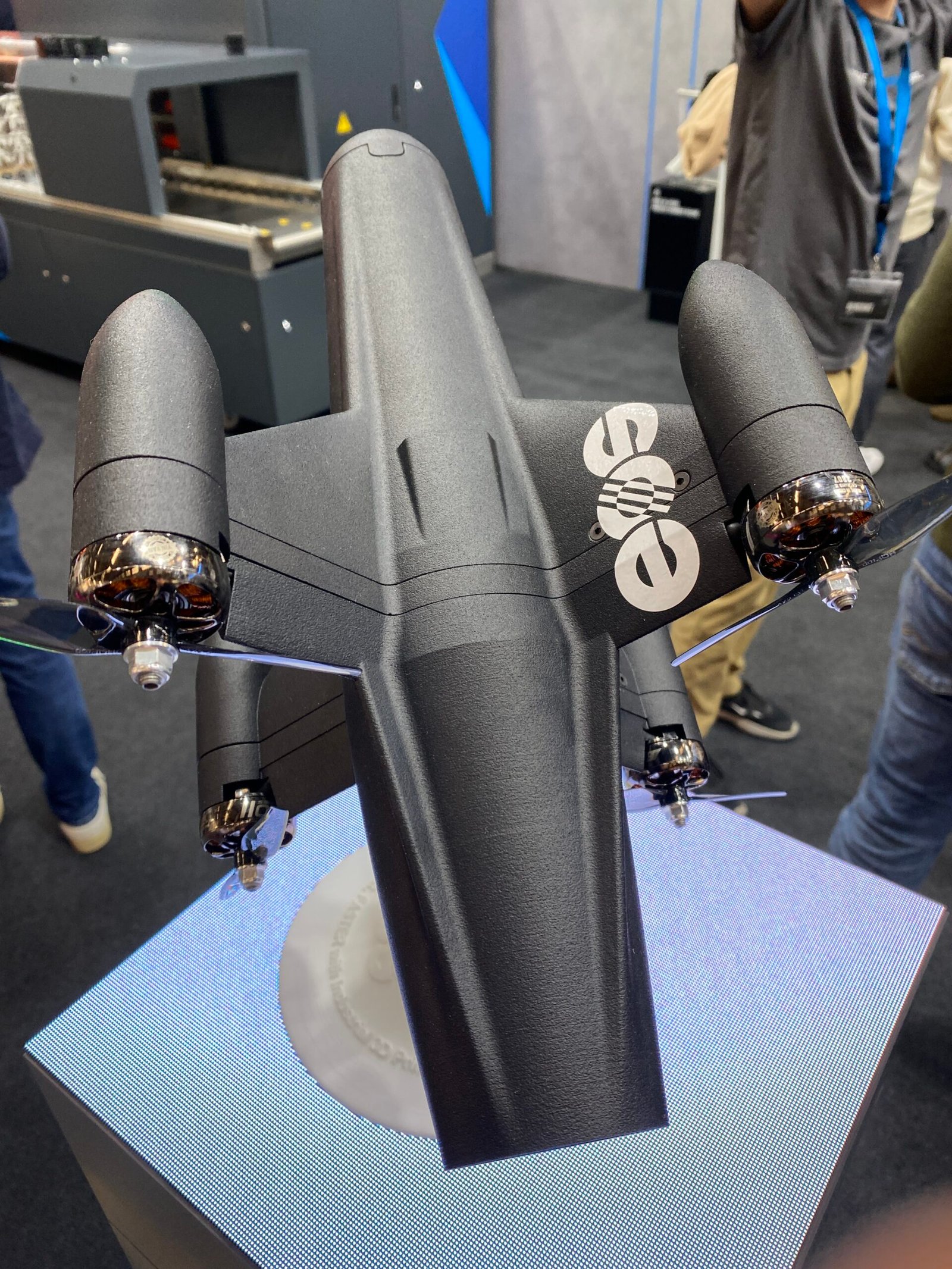
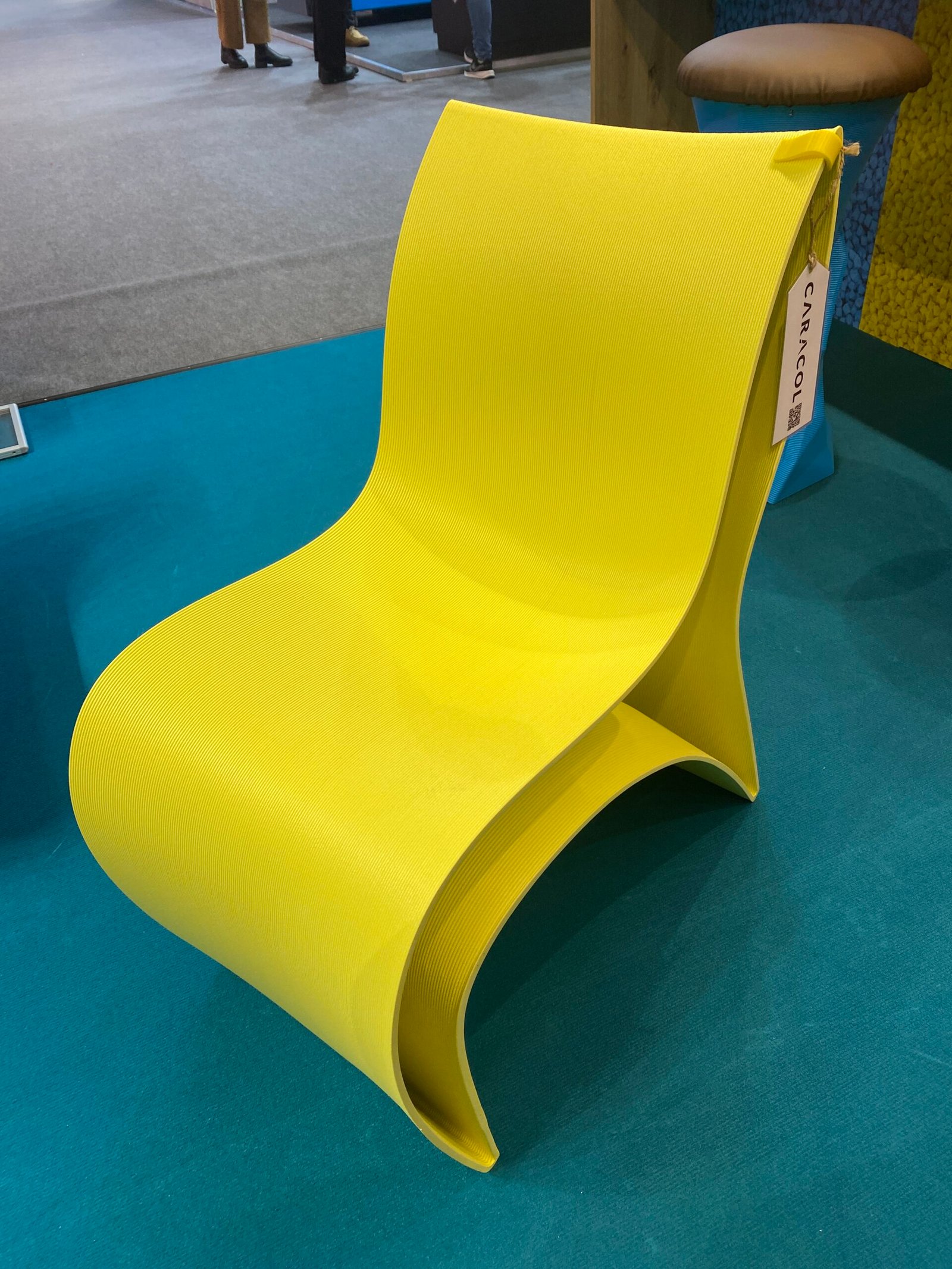
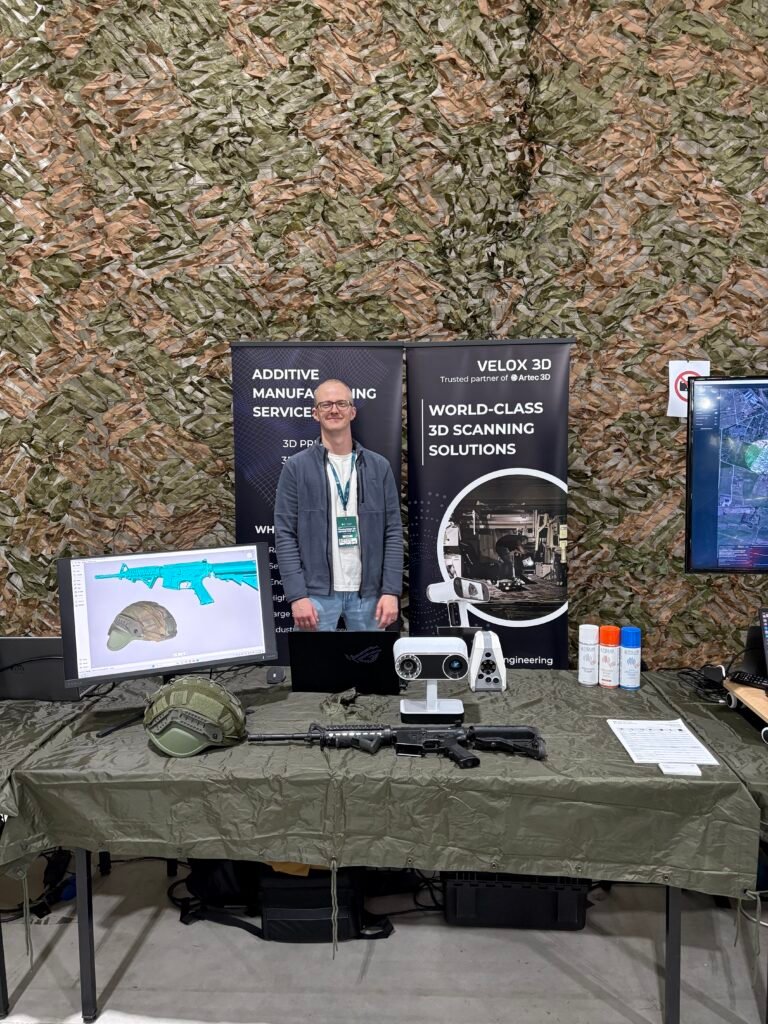
Visiting the Formnext exhibition has become an annual tradition for me. This year marked my seventh visit and my second time attending as a representative of Velox 3D. Every year, I travel to Frankfurt with two main goals: to discover innovations that could bring real value to our business and to meet with existing partners, discuss cooperation and maintain relationships. Of course, there is also a third, more personal reason – as an additive manufacturing enthusiast, I see Formnext as a giant toy store, only one designed for adults.
Partner meetings and new solutions
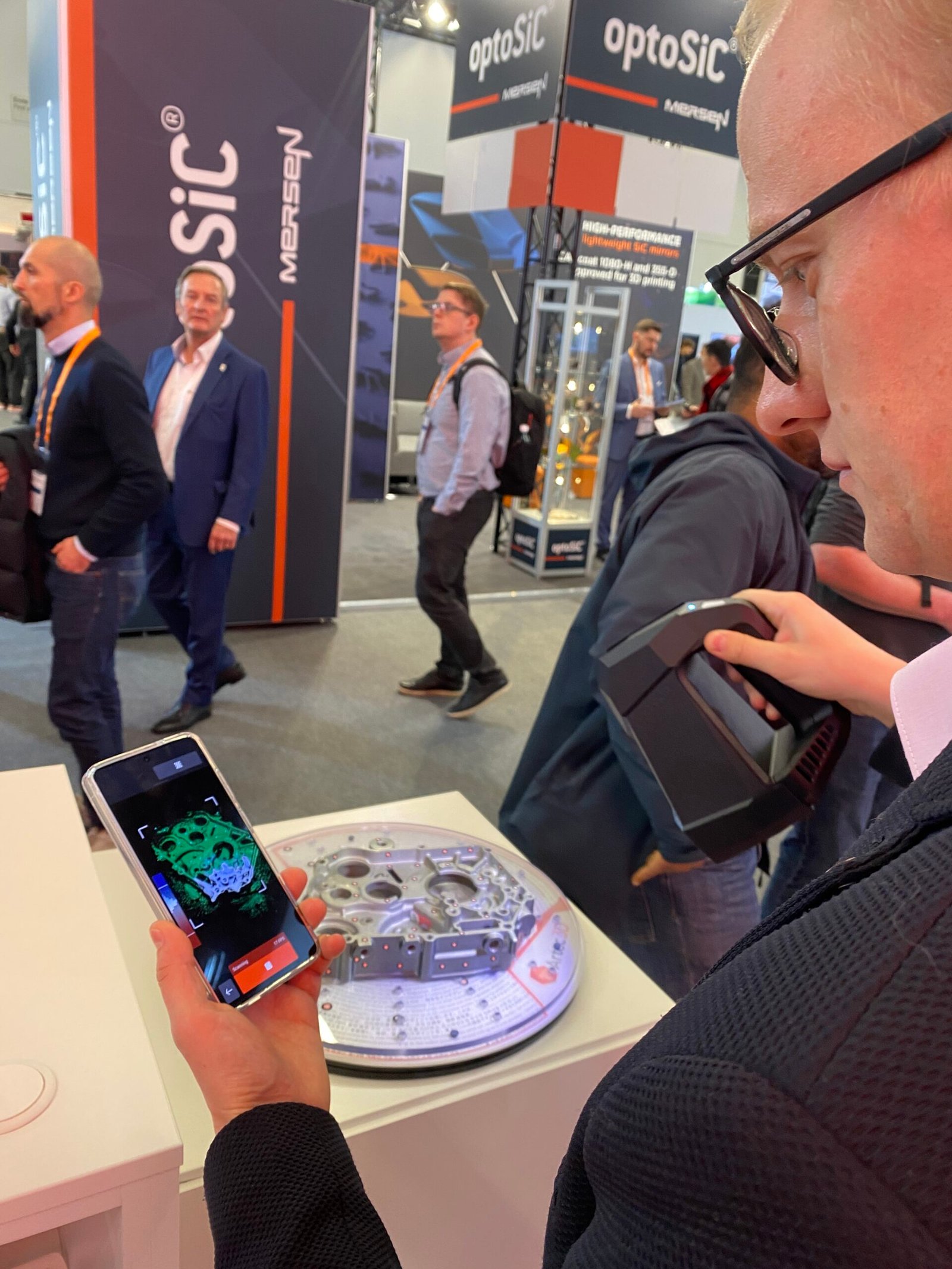
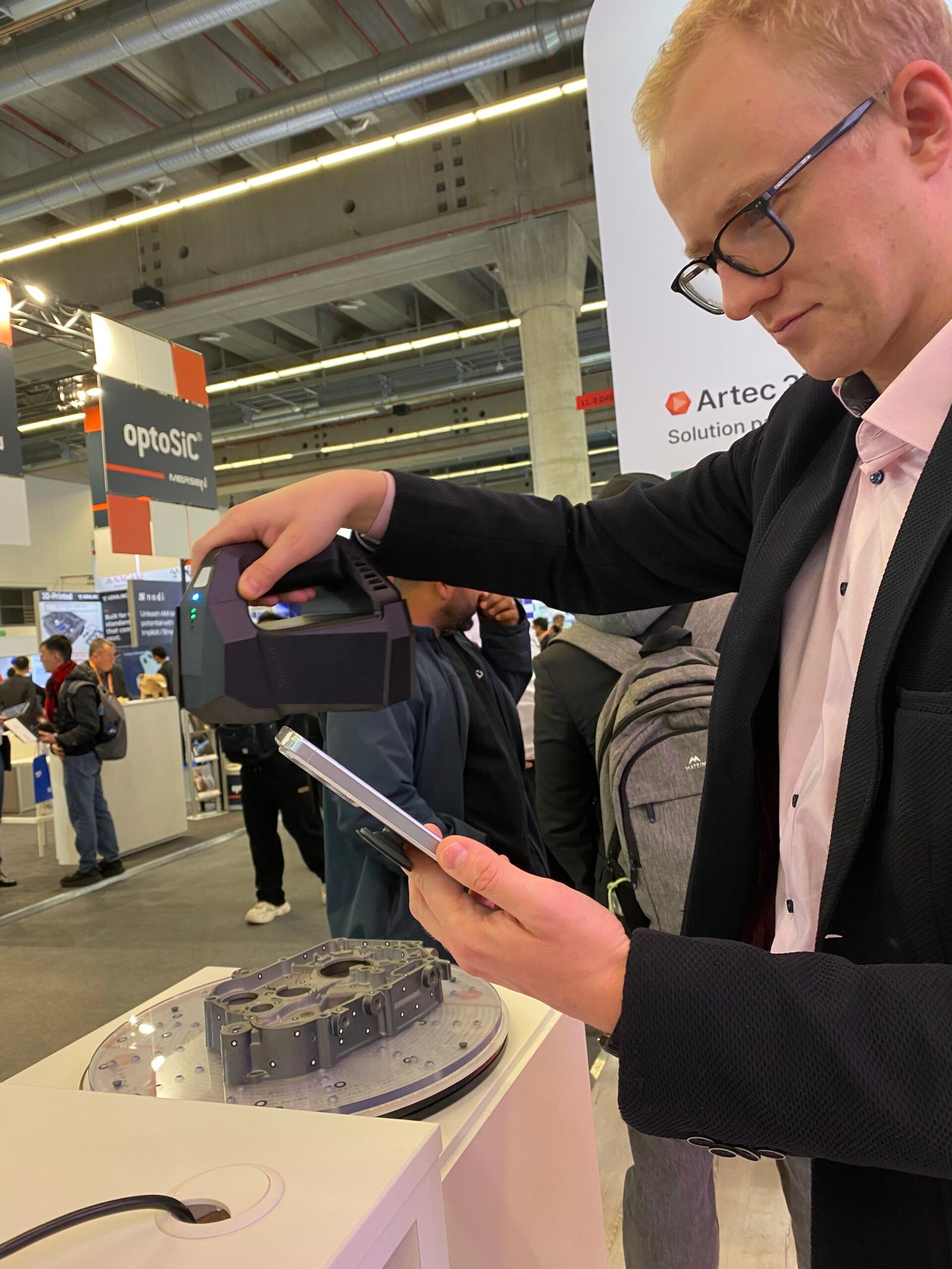
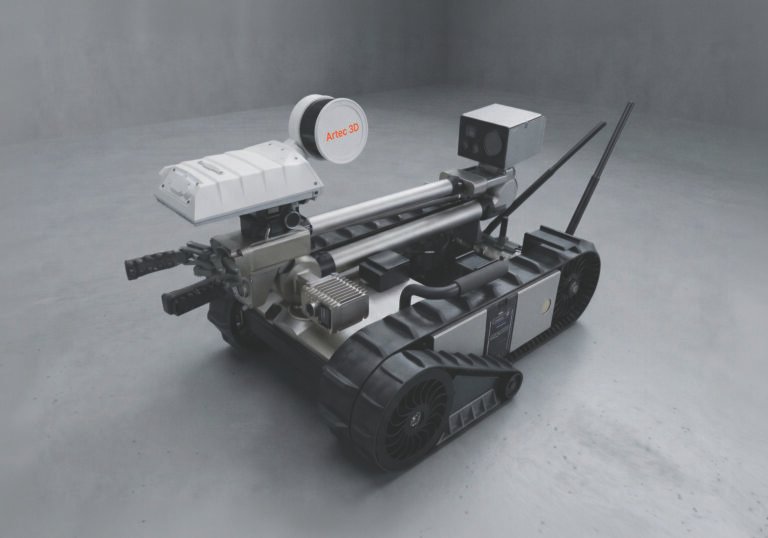
One of the most important meetings this year was with the Artec 3D team. We discussed our ongoing partnership and I had the opportunity to take a closer look at the new Artec Neo 3D scanner, designed for metrology applications.
What impressed me most was its speed, ease of use and hybrid scanning approach. By strategically placing targets in areas where highly accurate dimensional measurements are required, the scanner achieves certified accuracy of 25 µm. The remaining geometry is captured using geometric and texture information, eliminating the need to place targets across the entire object surface. This significantly reduces preparation time before scanning.
Another advantage is the ability to operate the scanner completely wirelessly via Wi-Fi, using a smartphone or computer. In short, you can accurately measure what matters most while digitising the entire object in a single scan.
Learn more about Artec Neo: https://www.artec3d.com/portable-3d-scanners/artec-neo
Another important meeting was with Polymaker, one of the main manufacturers of plastics we use in our production. I had the opportunity to see the new G-Flex PETG material, which stands out for its high resistance to mechanical stress. At the exhibition, I got to test parts made from this material. Despite several attempts to break them, they held up remarkably well. Rather than leaving it at theory, we decided to order 10 kg of the material for our own practical testing.
We also discussed supply reliability and material quality – two factors that are essential for day-to-day production.
What caught my attention in the 3D printing market?
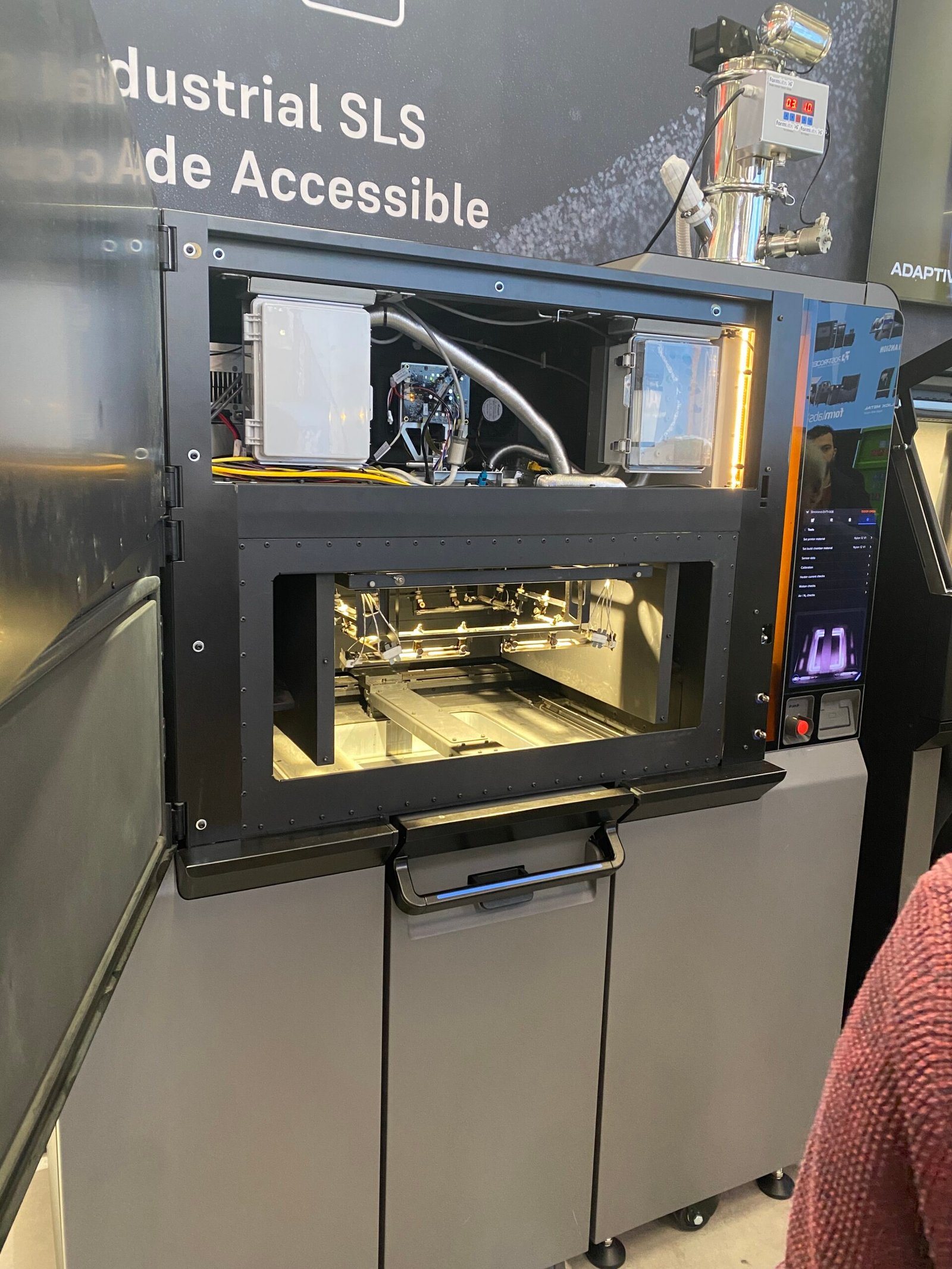
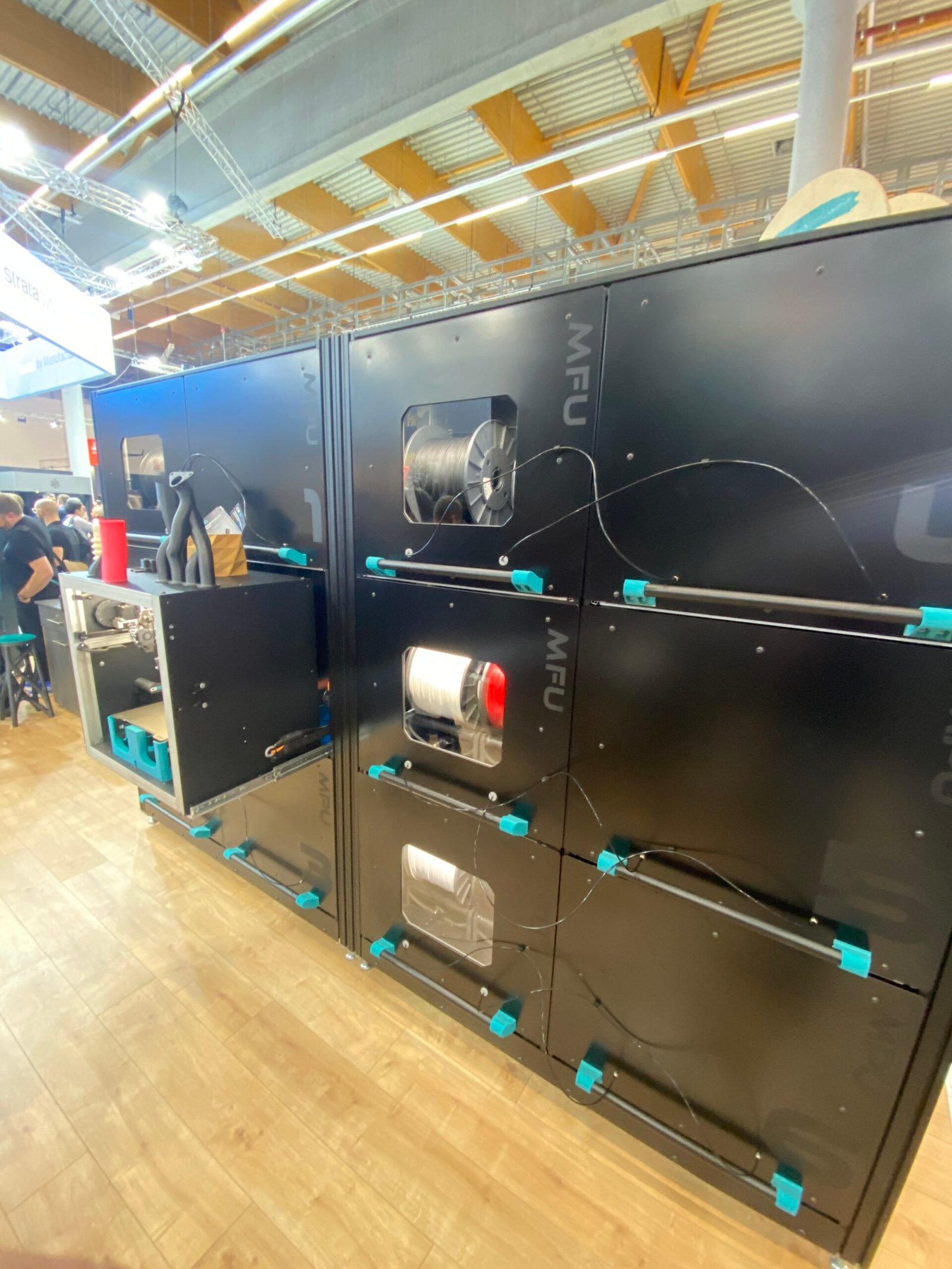
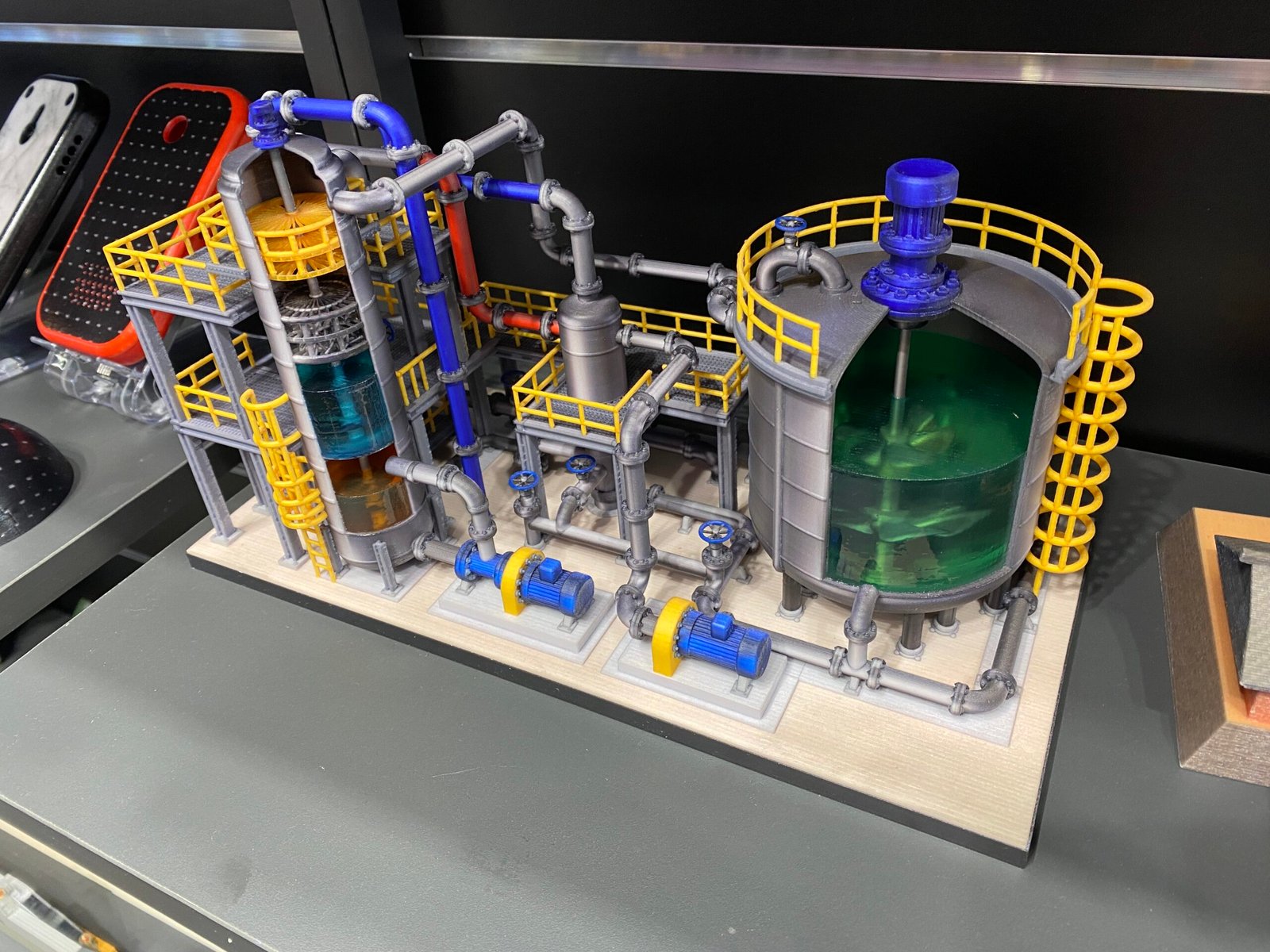
One of the most noticeable trends at this year’s exhibition was the growing number of multi-head printing solutions. More and more manufacturers are offering systems that can work with several materials or colours at the same time, expanding the possibilities of 3D printing.
There was also a strong focus on new engineering materials. Particularly interesting were very hard, rubber-like materials and solutions that retain elastomer properties even at extremely low temperatures, down to -50 °C. Such materials open up new possibilities for industrial applications where specific mechanical properties and environmental resistance are required.
There were also some interesting developments in metal 3D printing. One product that caught my attention was a desktop metal 3D printer priced at just €10,000. Compared with traditional industrial metal printing systems, which can cost hundreds of thousands or even millions of euros, this is a rather unexpected offering. However, before assessing its practical value, it is important to look closely at technology safety, process reliability and the quality of the finished parts.
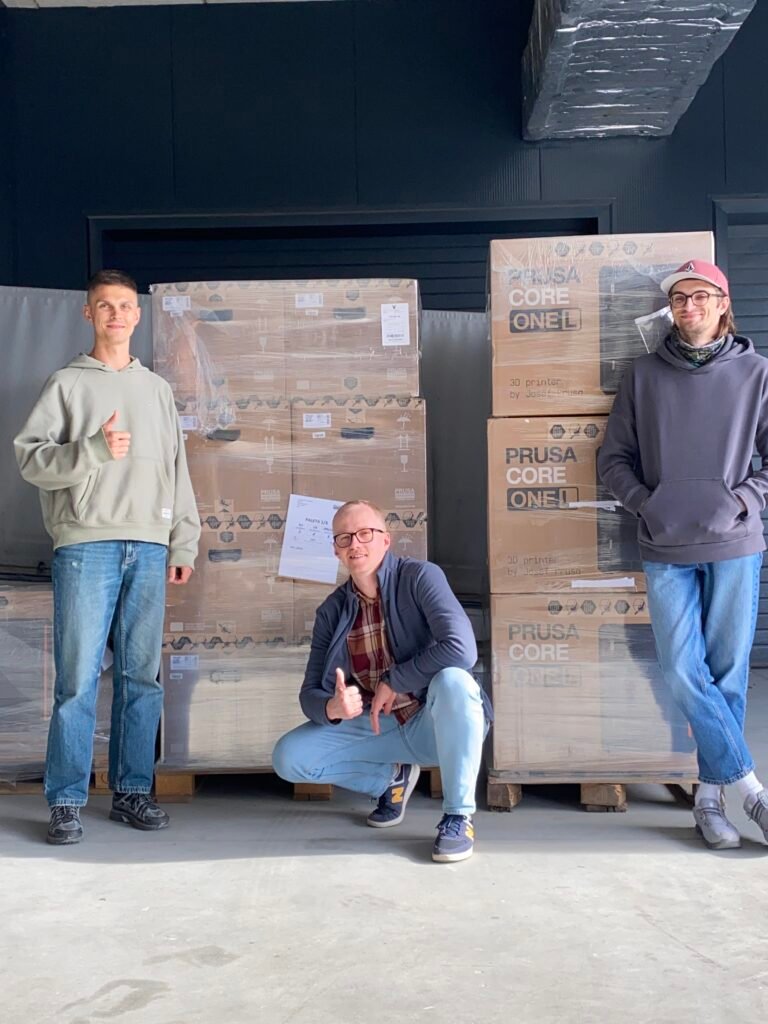
On the software and equipment management side, it is worth mentioning Prusa’s newly introduced printer farm management solution. It operates on a local network using an on-site server, without the need to transfer data to external servers. This is particularly relevant for companies working with confidential projects and sensitive information.
Where is additive manufacturing heading?
The overall impression from this year’s exhibition is that the additive manufacturing market is becoming increasingly mature. The focus is shifting beyond technological experimentation towards practical value: production efficiency, material properties, process automation and solving specific industrial challenges.
I believe this is where the technology’s greatest potential lies. 3D printing is no longer just about being able to produce parts in almost any shape. What matters increasingly is the real value this technology can bring to a specific manufacturing process.
Once again, Formnext confirmed that the additive manufacturing industry is constantly evolving. Technologies are advancing, the range of available materials is expanding, and solutions are becoming increasingly tailored to real business needs. That is exactly why I look forward to returning every year and discovering what comes next.
Until next year! 🙂