3D printing is a fascinating manufacturing technology with an exceptionally wide range of applications. 3D-printed end products can be used across numerous industries, from manufacturing, architecture, engineering and science to the beauty and entertainment sectors. And these are just a few examples of the many fields where this technology has found its place. It clearly demonstrates the versatility of 3D printing and how it can be adapted to meet a variety of needs.
While our everyday work mainly involves printing prototypes, low-volume production parts, scale models and large industrial components, this time we would like to share a slightly different project that recently became part of our portfolio.
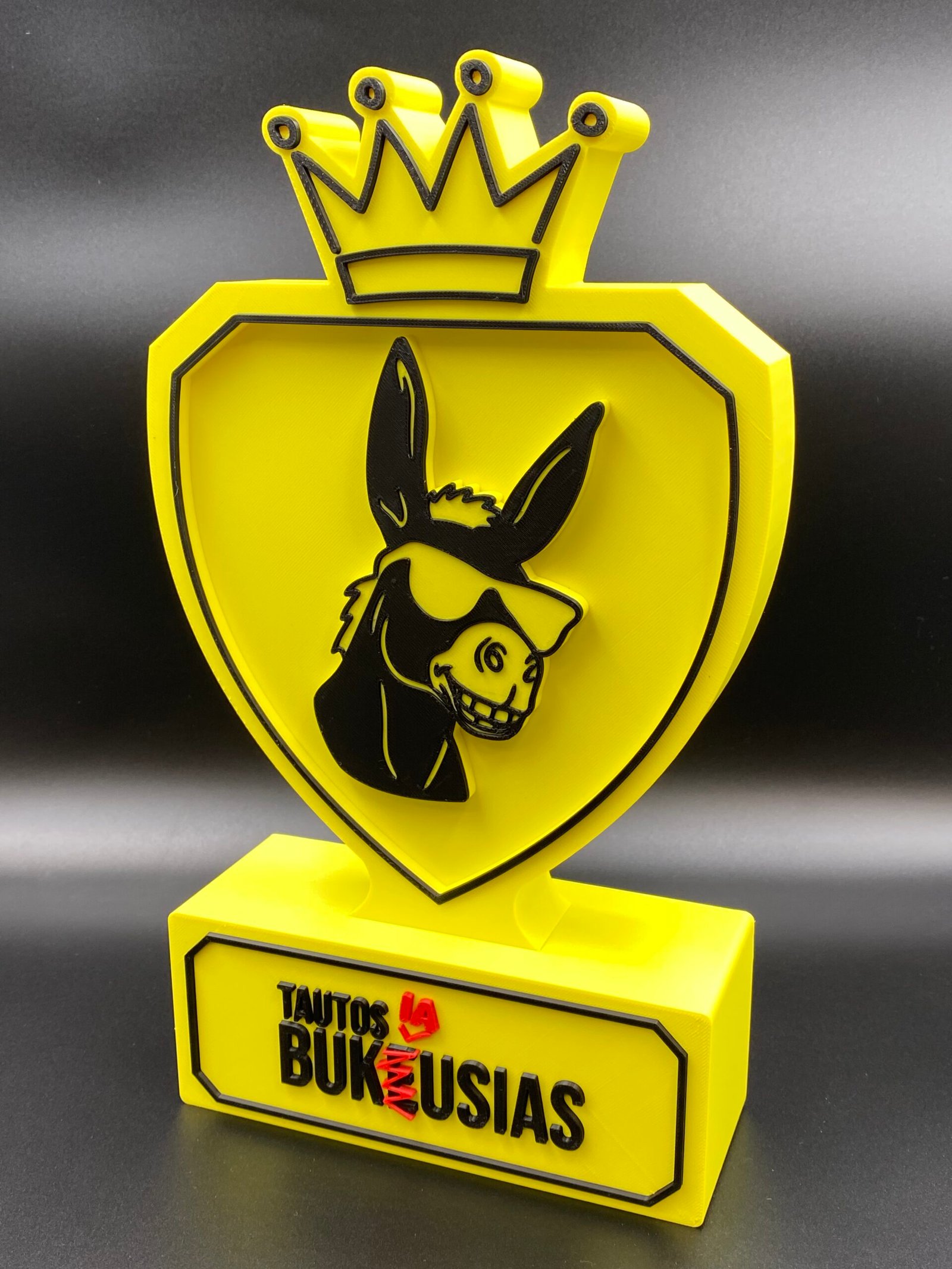
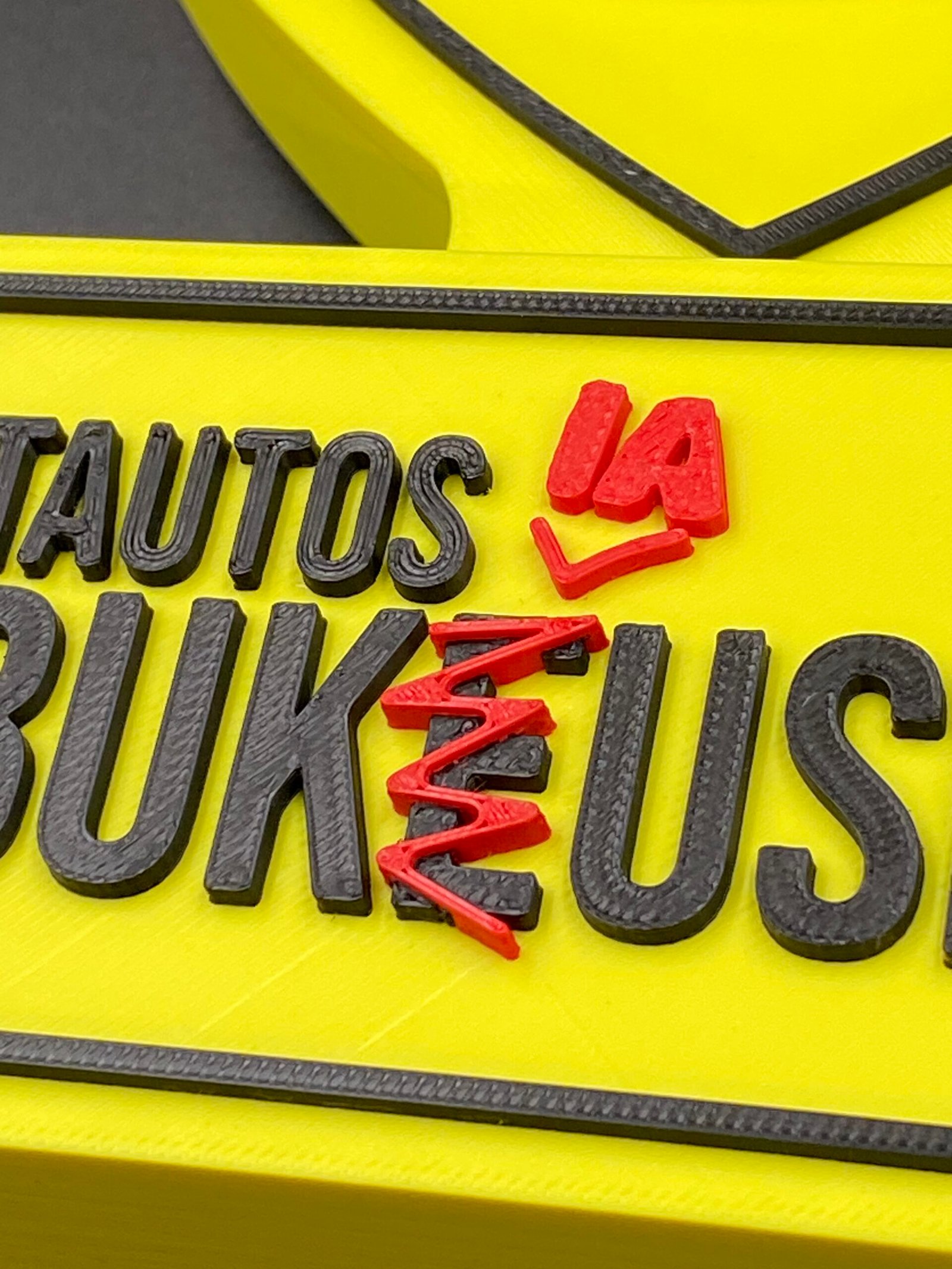
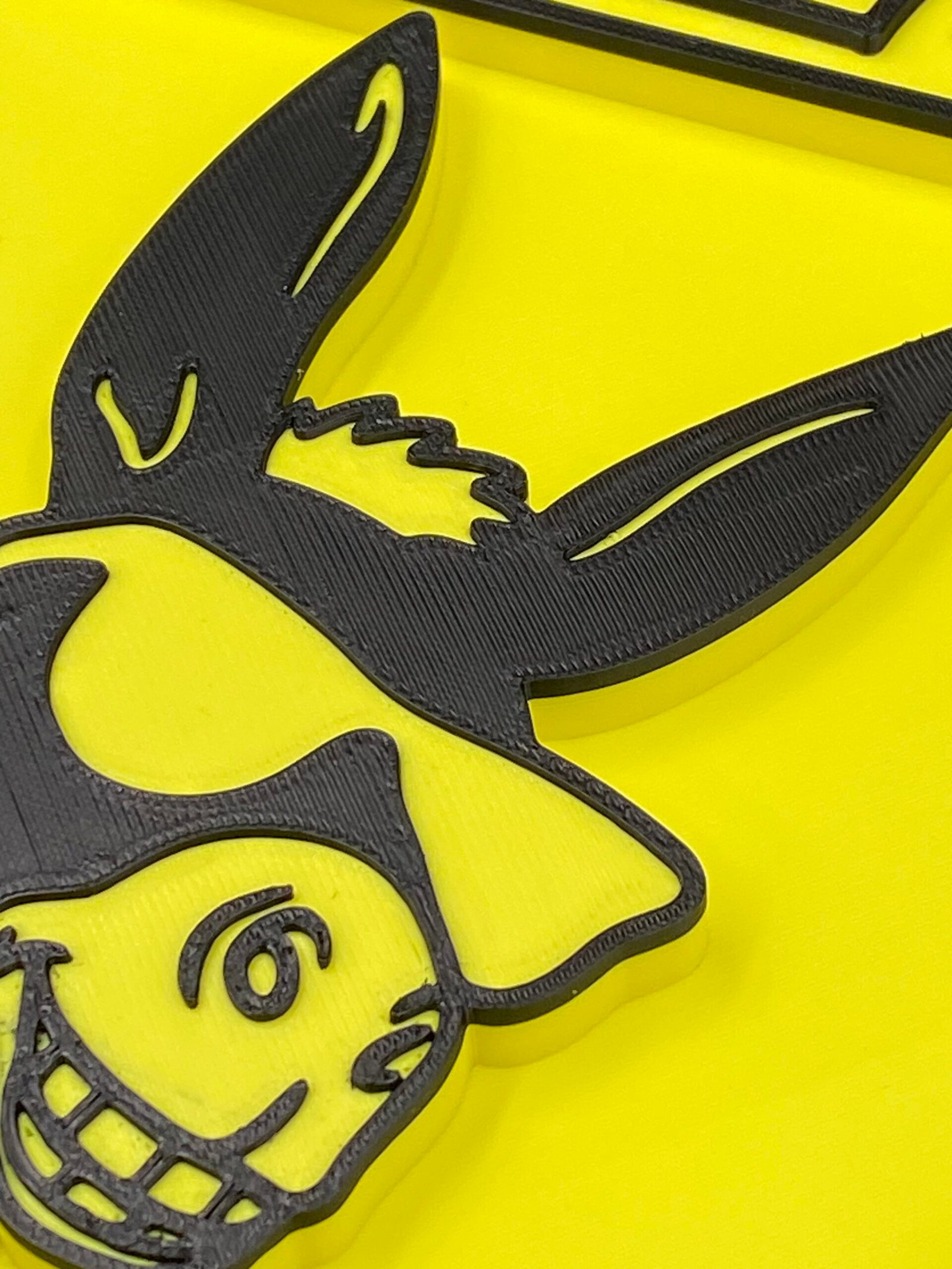
We were approached by the creative team behind TV3’s television show Tautos bukiausias, with a request to produce an award statuette using 3D printing technology. So, how did we prepare for the project, and what stages were involved in bringing it to life?
Initial information
The client provided us with a drawing and a photograph of the desired award statuette. This information served as the starting point for creating the digital models of the final pieces.
3D modelling
Based on the provided drawings and photograph, we developed a digital 3D model that would later serve as the basis for manufacturing the physical statuette.
Choosing the 3D printing technology and material
For production, we selected FDM (Fused Deposition Modelling) technology and PLA plastic. This is one of the most versatile, accessible and cost-effective solutions in 3D printing.
Although PLA is often associated with prototyping, the material offers good stiffness and sufficient mechanical strength, making it suitable for a wide range of functional components and everyday products. However, its temperature limitations should be taken into account. PLA begins to soften at approximately 55–60°C, which makes it less suitable for parts exposed to prolonged direct sunlight or high temperatures.
Since this particular project did not require special heat resistance or exceptional mechanical properties, PLA was the most suitable choice, allowing us to balance functionality, quality and production costs.
Production process
The award statuette was printed in two separate parts, which were then glued together to form one complete piece.
Equipment Used
For the production of the statuette, we used the Prusa CORE One L 3D printer, one of the models manufactured by Prusa, a brand we officially represent.
Project Timeline
The entire process, from receiving the initial enquiry to delivering the finished products to the client, took just one week.
This fun project was another reminder that 3D printing is not limited to industrial components or technical prototypes. It can also be a great tool for bringing creative ideas to life.